Meet the Shannon
The River Shannon is not just Ireland's longest river.
She is an ancient living corridor connecting mountains and bog lands, villages and cities, estuary and ocean, memory and future.
For thousands of years, communities have gathered along her banks to fish, farm, travel, trade, celebrate and mourn.
The river has shaped the island's ecology and imagination, carrying stories as surely as water.
A Name Born of Myth
The Shannon began as a story.
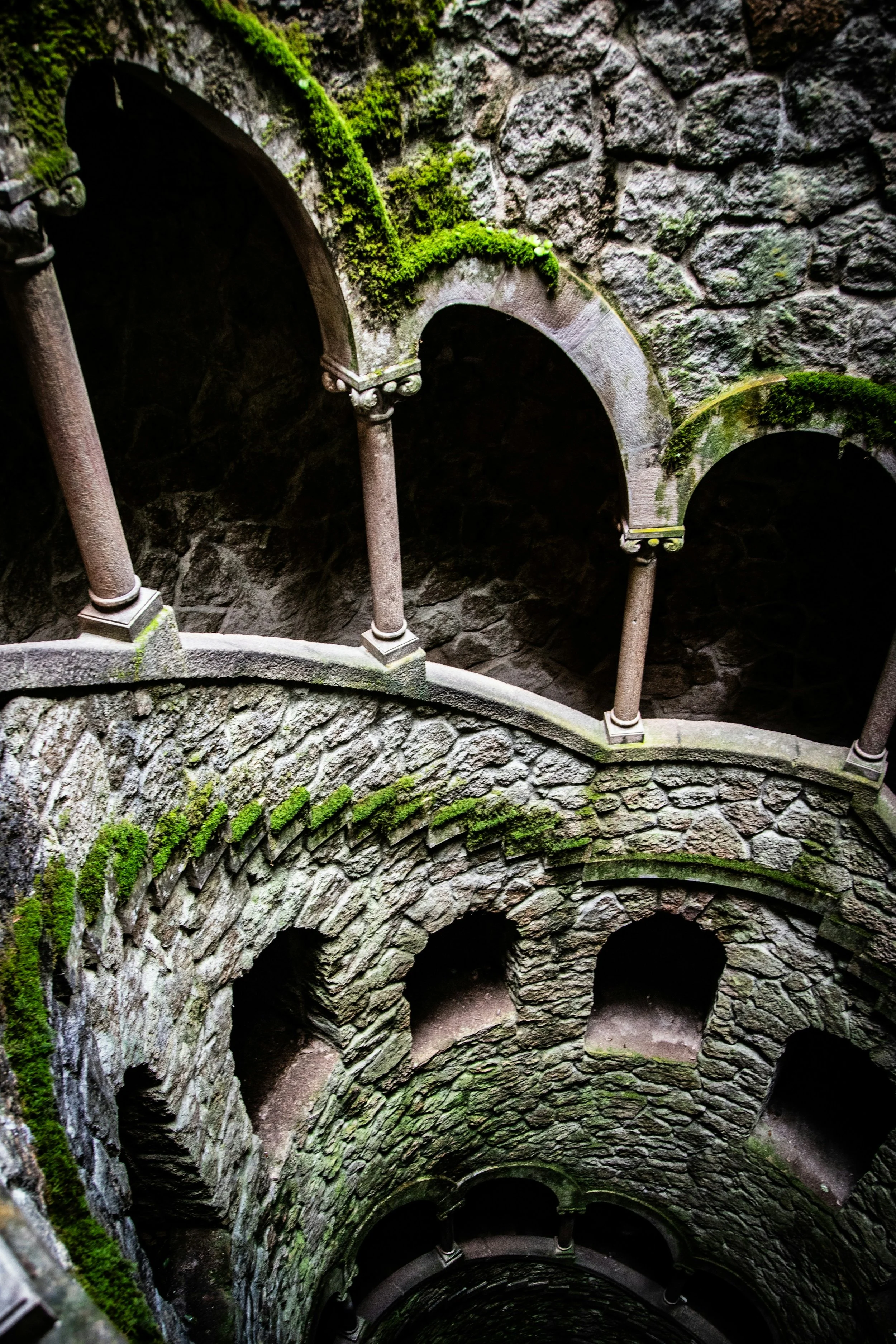
It begins with Sionnan, granddaughter of Manannán Mac Lir, the Son of the Sea and one of the great deities of Celtic mythology. Sionnan means wise one - and hidden away in the west of Ireland was a place where that wisdom pooled: Connla's Well, the Well of Wisdom, said to be ringed by hazel trees whose nuts held all the knowledge of the world. Only certain figures were permitted near it. Sionnan was not one of them.
Drawn by longing rather than permission, she went to the well anyway. The moment she looked into its waters, they rose against her; the wisdom she sought too vast and too wild to be simply taken. The well broke its banks and surged outward, sweeping Sionnan with it, carving a path across the land all the way to the sea. Where she passed, a river was born.
That river carries her name still. Abhainn na Sionainne - the river of Sionnan - later softened into Sionainn, a word woven from sion (wise) and abhainn (river).
In English, it became simply the Shannon ~ our wise river.
It's a fitting origin. A river that begins with someone reaching for wisdom beyond imagination, and becoming, herself, the one who carries it onward.
Her Journey…
Source
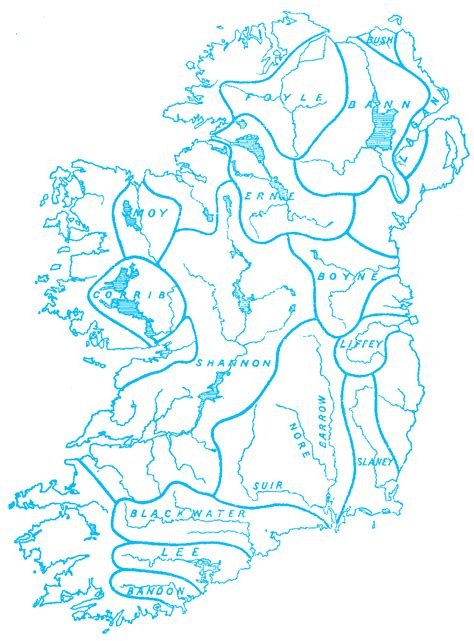
She begins quietly. The Shannon Pot is a small, dark, still pool cradled in the slopes of the Cuilcagh Mountains in County Cavan. Gathering streams together, She wells up from limestone deep underground, before unfolding through the landscape in river and lough - Allen, Ree, Derg - each one a resting point before the current pushes on again. She passes towns built around her banks, from Carrick-on-Shannon to Athlone to Limerick. She feeds the callows, the low green floodplains that flood each winter and dry each summer, and she carries with her everything the land gives up to her - silt, nutrients, the runoff of farms and towns. By the time she nears the coast, she has crossed more than 360 km of Ireland.
…to Sea
Her journey ends where the land finally gives way -
the Shannon Estuary, a wide tidal reach between the coasts of Clare and Kerry, where fresh water meets salt and the river loses itself in the Atlantic near Loop Head. It's a fitting close: she was born of the sea god's line, and to the sea she returns, having carried Ireland's wisdom the length of the country to give it back to the ocean it came from.
Ecological Challenges
-
Ireland continues to fall short of the standards set by the EU Water Framework Directive, with nutrient runoff, untreated sewage discharge, and industrial pollution all affecting stretches of the river and its estuary.
-
The Shannon has become a route of entry for an ever-growing list of non-native species - zebra mussels, Asian clams, and more recently the aggressive "demon shrimp" - each reshaping the food web and squeezing out native wildlife.
-
Dams and other structures along the river, including Ardnacrusha, have interrupted the migration routes of species like Atlantic salmon and the protected European eel, both in serious decline.
-
The callows - seasonally flooded grasslands along the river - once rang with the call of the corncrake. That bird has all but vanished from the Shannon, a stark marker of wider habitat loss affecting wading birds and other wildlife.
-
Acidic peat washed from midlands bogs, along with agricultural nutrient runoff, continues to affect water quality along the river and in Lough Derg, where algal blooms have become a recurring concern
-
Proposals to extract large volumes of water from the Shannon to supply Dublin, the midlands, and to feed AI centres have raised fresh concerns about the long-term health of the river.